Discovery Japanese Language Center Dhanmondi
SSW Visa — Specified Skilled Worker

SSW Visa — Specified Skilled Worker

Tokutei Ginou is Japan's answer to its labour shortage: no degree required, and no employer-training program to complete first. You pass a skills test and a Japanese test, and you are hired as a worker with the same labour rights as a Japanese employee.

SSW Visa

SSW Visa

Specified Skilled Worker was created in 2019 and has become the main lawful route into Japan for workers without a university degree. It comes in two types — the ones people mean when they say SSW has "two sectors" — and the difference between them is the difference between five years and a life in Japan.

About this visa

Three things decide whether SSW is the right route for you: what the status actually is, who it was designed for, and how long it lets you stay. Here is each one in full.

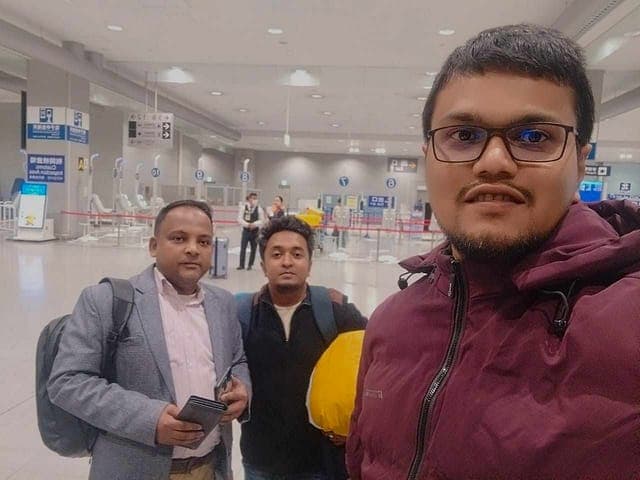
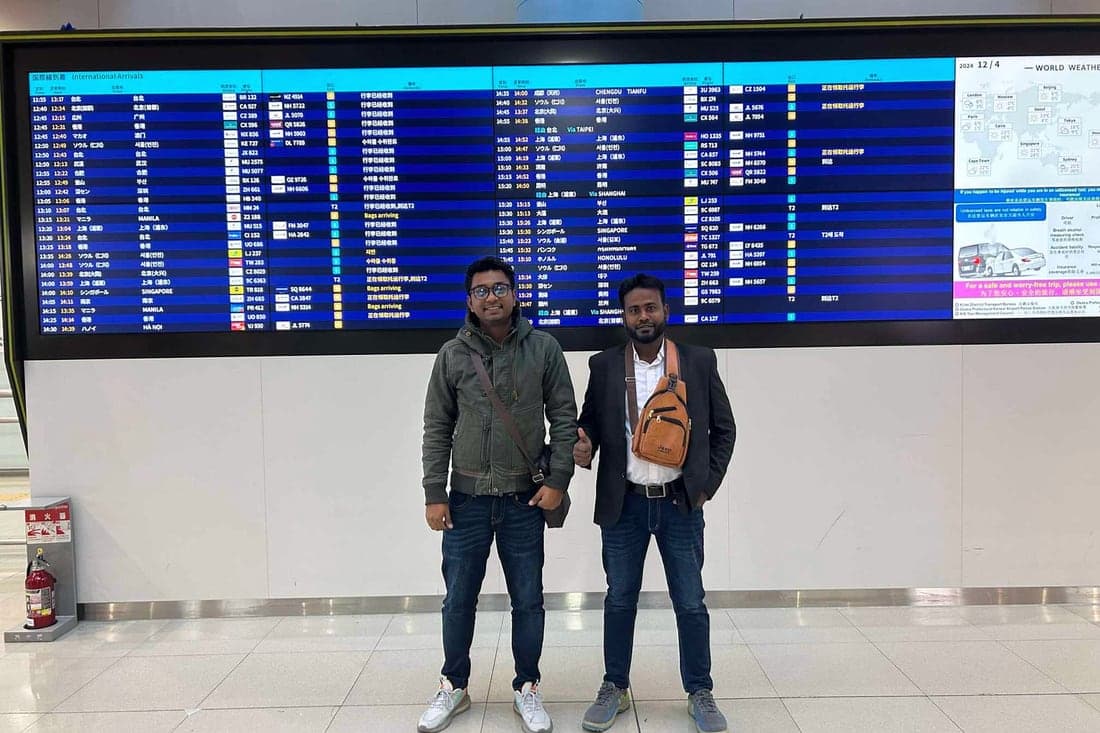
Two Discovery candidates in the international arrivals hall of a Japanese airport
1.1

Overview

The Specified Skilled Worker visa was created in 2019 to answer Japan's labour shortage in designated industrial and service sectors. It is a formal, regulated route for a foreign worker with a proven, industry-specific skill to work legally in Japan — and unlike the Technical Intern Training program, which is built around training, SSW is employment from the first day. You arrive as a worker, not a trainee.

It comes in two types. Type 1 is for workers who have passed the skills evaluation test for their field together with a Japanese test, and it allows up to five years in Japan in total. A Type 1 worker cannot bring family, and is backed by a registered support organisation. Type 2 is for workers who have proven a higher level of skill; since August 2023 it has been opened well beyond construction and shipbuilding — nursing care stays on its own status of residence — and a Type 2 worker may bring family, renew without an upper limit, and build towards permanent residence.

Japan sets an intake target for each sector and keeps widening the program: the approved fields grew from sixteen at the 2024 expansion to nineteen today. A large share of the people on this visa are former technical interns, who move across without sitting the tests again.

Type 1

  • Up to 5 years in Japan in total, renewed in 4-month, 6-month or 1-year steps
  • Family cannot join you on this type
  • The same salary as a Japanese worker doing the same job, by law
  • Entry test: your field's skills evaluation test plus JFT-Basic or JLPT N4
  • A registered support organisation, or the employer itself, must support you

Type 2

  • No upper limit on the length of stay — renewed every 1 to 3 years
  • Spouse and children may join you in Japan
  • Entry test: a higher-level skills examination in your field
  • The years count towards permanent residence
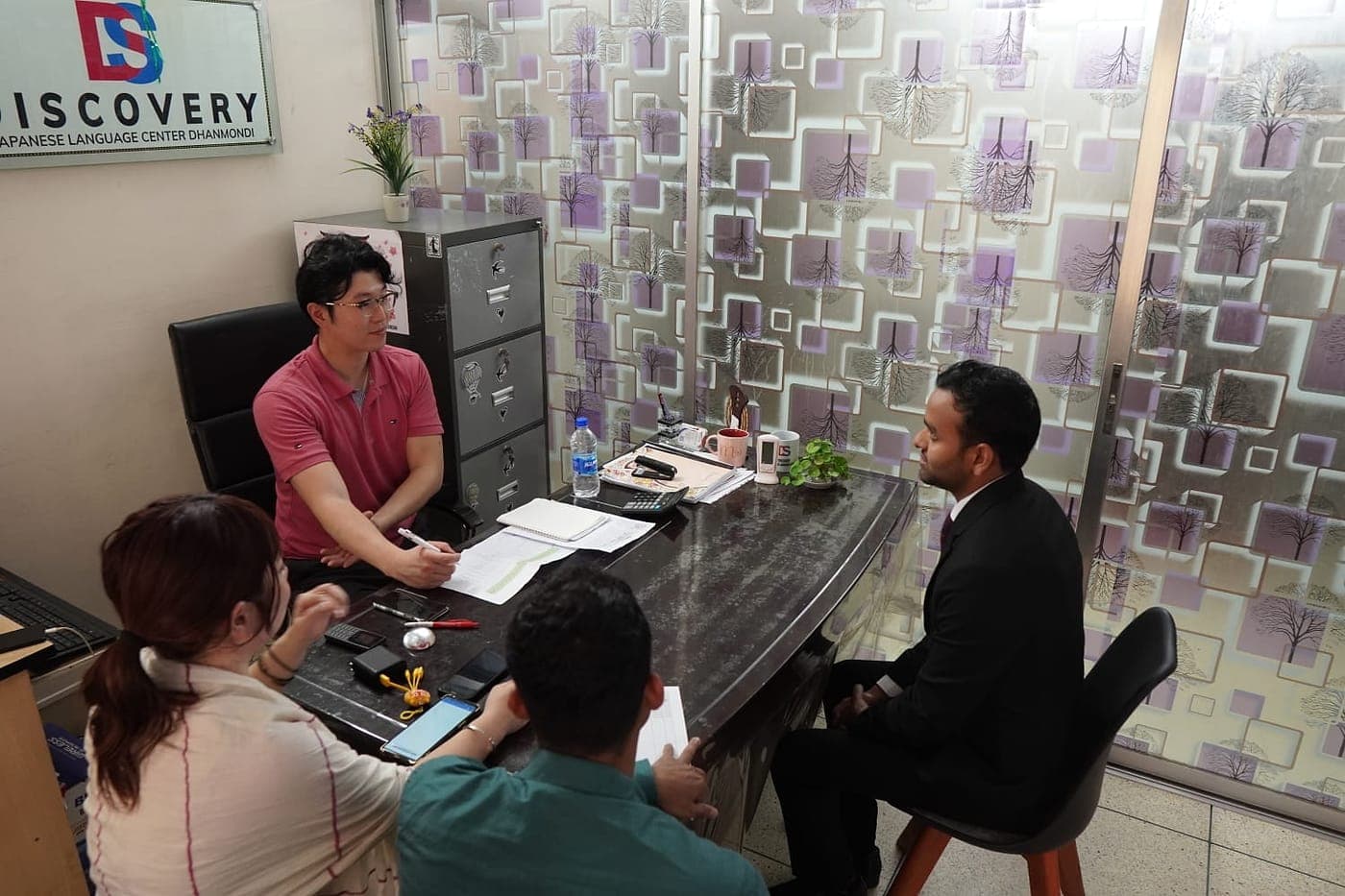
A counselling session in progress at Discovery's Dhanmondi centre
1.2

Who this visa is for

SSW asks for a skill, not a certificate — which is exactly why it is the realistic route for most of the people who walk into our Dhanmondi centre. Three groups qualify.

  • Workers already doing the job in one of the designated labour-shortage sectors — manufacturing, construction, hospitality, caregiving, agriculture, food and the rest of the nineteen approved fields. A degree is not required: HSC, SSC or no formal qualification at all is no barrier, because the skills test takes the place of the certificate.
  • Candidates who can pass the two exams — the skills evaluation test for the field they are entering, plus JFT-Basic or JLPT N4. Taxi, bus and railway train-operation jobs ask for N3 instead, and nursing care adds its own Nursing Care Japanese Language Evaluation Test.
  • Former technical interns — anyone who has completed Technical Intern Training (ii) moves into SSW Type 1 in the matching field with both tests waived. A different field means sitting that field's skills test.
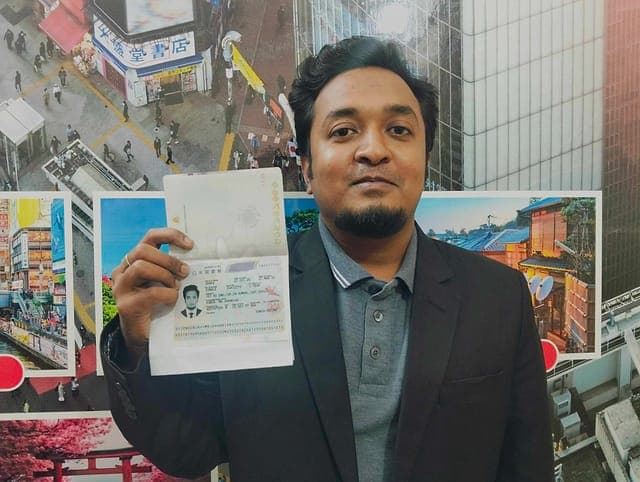
A Discovery applicant holding his passport open at the Japan visa page
1.3

Validity periods

Nobody is given "five years" in one piece. The status is granted for a set period and renewed, and what changes between the two types is the ceiling — and whether there is one at all.

Type 1

  • Granted for up to a year at a time and renewed from inside Japan
  • Five years is the lifetime total, and it is not extendable
  • At the end of five years: move up to Type 2, change to another status, or go home

Type 2

  • Granted for 1 to 3 years at a time, renewable with no upper limit
  • Your family stays with you on a dependent status
  • The years count towards a permanent-residence application

Certificate of Eligibility processing typically runs one to three months, so plan the Type 1 to Type 2 step early rather than in your fifth year.

Reference: Immigration Services Agency of Japan (ssw.go.jp).

Requirements

  • 18 years or older at the time of application.
  • Pass the Skills Evaluation Test for the field you are entering — each of the 19 fields has its own exam.
  • Pass a Japanese test: JFT-Basic (A2 level) or JLPT N4 or above — N3 for taxi, bus and railway train-operation jobs.
  • Nursing care applicants additionally sit the Nursing Care Japanese Language Evaluation Test.
  • An employment contract with a registered accepting organisation, on the same pay a Japanese worker in that role receives.
  • For Type 2: the higher-level skills examination for your field.
  • Former technical interns who completed Technical Intern Training (ii) are exempt from both tests in the same field.
  • A valid passport, a clean immigration record, and medical fitness for the work.
  • No degree, and no minimum years of experience, are required.

The 19 approved fields

Nineteen fields are open to SSW Type 1 — resource recycling, linen services and logistics warehousing are the newest additions. You apply into one field and sit that field's own skills test, so ask us to confirm the field you are aiming at is still open before you start studying for it. Type 2, the long-term type, is available in 11 of the nineteen.

Nursing care

Assisting people with the daily tasks of living at care facilities.

Building cleaning management

Cleaning the interiors of office buildings, hotels and commercial facilities.

Manufacture of industrial products

Making components and products on a factory line — machining, welding, assembly and finishing.

Construction

Building houses, buildings and other structures on site.

Shipbuilding and ship machinery

Building ships and marine machinery in shipyards.

Automobile repair and maintenance

Inspecting and maintaining vehicles at service garages.

Aviation

Airport ground handling and aircraft inspection and maintenance.

Accommodation

Hotel reception, guest service and the work of running a hotel or ryokan.

Automobile transportation

Driving trucks, buses and taxis to move goods and people. Passenger driving needs JLPT N3.

Railway

Maintaining trains and operating the railway. Train operation needs JLPT N3.

Agriculture

Growing and harvesting produce, and raising pigs, cattle, chickens and other livestock.

Fishery and aquaculture

Catching fish and farming marine products.

Manufacture of food and beverages

Preparing and processing food and drink in a factory.

Food service

Not accepting new applications

Cooking, serving customers and running the floor in restaurants and similar businesses.

Forestry

Tree planting, forest management and logging work.

Wood industry

Lumber processing and wood-product manufacturing.

Resource recycling

Recycling and properly disposing of waste at a waste-processing plant.

Linen services

Collecting and laundering the linen — sheets, towels — rented out to hotels and hospitals.

Logistics warehouse

Receiving, storing and shipping goods at logistics warehouses.

Field list and job descriptions per the Immigration Services Agency of Japan (ssw.go.jp). Food service is not accepting new applications at this time.

Application process

  1. 1Pass the skills evaluation test for your fieldOne of the nineteen. The choice fixes which exam you sit, so we make it against your real work history.
  2. 2Pass the Japanese testJFT-Basic or JLPT N4 — N3 for taxi, bus and railway train-operation. Taught at our Dhanmondi centre. Former technical interns are exempt.
  3. 3Find a registered accepting organisationWe put your file in front of registered employers in Japan and prepare you for the interview.
  4. 4Sign a contract that meets the SSW standardJob content, workplace and salary in writing, on the same terms a Japanese worker receives — read every line before you sign.
  5. 5Apply for the Certificate of EligibilityFiled at the Regional Immigration Services Bureau in Japan, normally by the employer on your behalf. Allow one to three months.
  6. 6Collect the COE and apply for the visaThe certificate comes to you in Dhaka, and the visa application goes to the Japanese embassy here.
  7. 7Enter Japan and register your addressYou are met at the airport, and your address must be registered at the city hall within 14 days of moving in.
  8. 8Your support plan startsOn Type 1 the employer or a registered support organisation delivers the mandatory daily-life support — housing, orientation, procedures, Japanese study and regular meetings.

Applying from Bangladesh means the Certificate of Eligibility comes first, filed in Japan by the employer; the visa itself is issued by the Japanese embassy in Dhaka once the certificate is in your hand.

Documents you will be asked for

  • Passport
  • Skills Evaluation Test pass certificate for your field
  • JFT-Basic or JLPT N4 certificate
  • Educational certificates you hold, and experience letters for the trade
  • Employment contract and the employer's support plan
  • Medical fitness certificate and police clearance

Discovery arranges the attestation, notarisation and certified translation of every document on this list.

Costs & fees

Certificate of Eligibility application
Free
Visa sticker (single entry)
¥15,000
Skills evaluation test
≈ ¥7,000 – ¥10,000
Japanese test (JLPT N4)
≈ ¥6,500

Government figures only; the visa-sticker fee is the single-entry schedule effective July 2026. Exam fees vary by field and by the country you sit the test in, and Discovery's own service charges are quoted separately and in writing.

While in Japan

Work restrictions

You work in the field your status was granted for, and only there. Moving to a different employer inside the same field is allowed — moving to a different field is not, without passing that field's test and changing status. On Type 2 the scope is wider and includes supervising the work of others.

Family & dependents

Type 1 does not permit family to accompany you — this is the single biggest limitation of the route. On Type 2, your spouse and children can apply for a dependent (Family Stay) status and live with you in Japan.

Renewal & extension

Type 1 is renewed inside Japan up to a five-year lifetime total, after which you must move to Type 2, change to another status, or leave. Type 2 is renewed every one to three years with no upper limit.

Where this visa can lead

Two doors stay open. A worker who holds a matching degree can change to the Engineer / Specialist in Humanities status, and a Type 2 holder can apply for permanent residence once the residence requirements are met.

Important notices

  • Type 1 allows a maximum of five years in Japan in total, and that ceiling cannot be extended.
  • Type 1 does not allow family to accompany you — plan around this before you apply, not after you land.
  • Both the skills evaluation test and the Japanese test are mandatory unless you are a former technical intern moving in the same field.
  • Your employer must be a registered accepting organisation; a job offer from a company that is not registered cannot become an SSW visa.

Practical tips

  • If you completed Technical Intern Training (ii), you move into Type 1 in the same field with no test at all — this is the fastest legal route back to Japan.
  • Type 2 is open in 11 of the 19 fields and has been widening; check the position for your field before you assume it is closed.
  • Moving from Type 1 to Type 2 means passing the higher-level skills examination, so start preparing for it while you are still working on Type 1.
  • Decide early whether you want five years or a life in Japan. The type you plan for changes what you study, not just what you sign.

SSW questions

They are the two types of the status: Specified Skilled Worker Type 1 and Type 2. Type 1 runs a maximum of five years and does not allow your family to join you. Type 2 has no renewal limit, lets your spouse and children come, and counts towards permanent residence, but it needs a higher skills exam. Almost everyone enters on Type 1 and upgrades from inside Japan.

Nineteen fields, listed in full on this page — from nursing care, construction and food manufacturing to aviation, railway, forestry and the wood industry. Resource recycling, linen services and logistics warehousing are the newest additions, and food service is not accepting new applications at this time. You pick one field and sit that field's own skills test; you cannot apply to all of them at once.

No. That is the whole point of this route. A skills test and a Japanese test replace the degree, which is why SSW is the realistic route for most workers and why Engineering is the route for graduates.

Yes, and it is the smoothest transfer in the system. A trainee who has completed Technical Intern Training (ii) moves into SSW Type 1 in the matching field without sitting either the skills test or the Japanese test. Choosing a different field means sitting that field's skills test.

Not on Type 1. On Type 2 they can, on a dependent status. If bringing your family matters to you, plan for the Type 2 exam from the beginning rather than discovering the restriction after you land.

Yes — unlike technical intern training, SSW permits a change of employer within the same field. The new employer files the change of status and takes over the support plan, and you must not start work before that change is approved.

It has to be, by law. The employer must pay you no less than a Japanese national doing the same work, and that contract is part of what immigration reads before approving the file.

Find out which SSW field fits you

Tell us what you do now and we will tell you which of the nineteen fields your experience actually maps to — and how long the Japanese will take.

  • Free first counseling session at our Dhanmondi center
  • Document processing, attestation and certified translation
  • Embassy interview preparation and post-arrival support

Request a callback

We usually reply within one business day.

Call +880 1798-850299Chat on WhatsAppMon–Sat, 10:00 AM – 7:00 PM
Call NowApply Now